
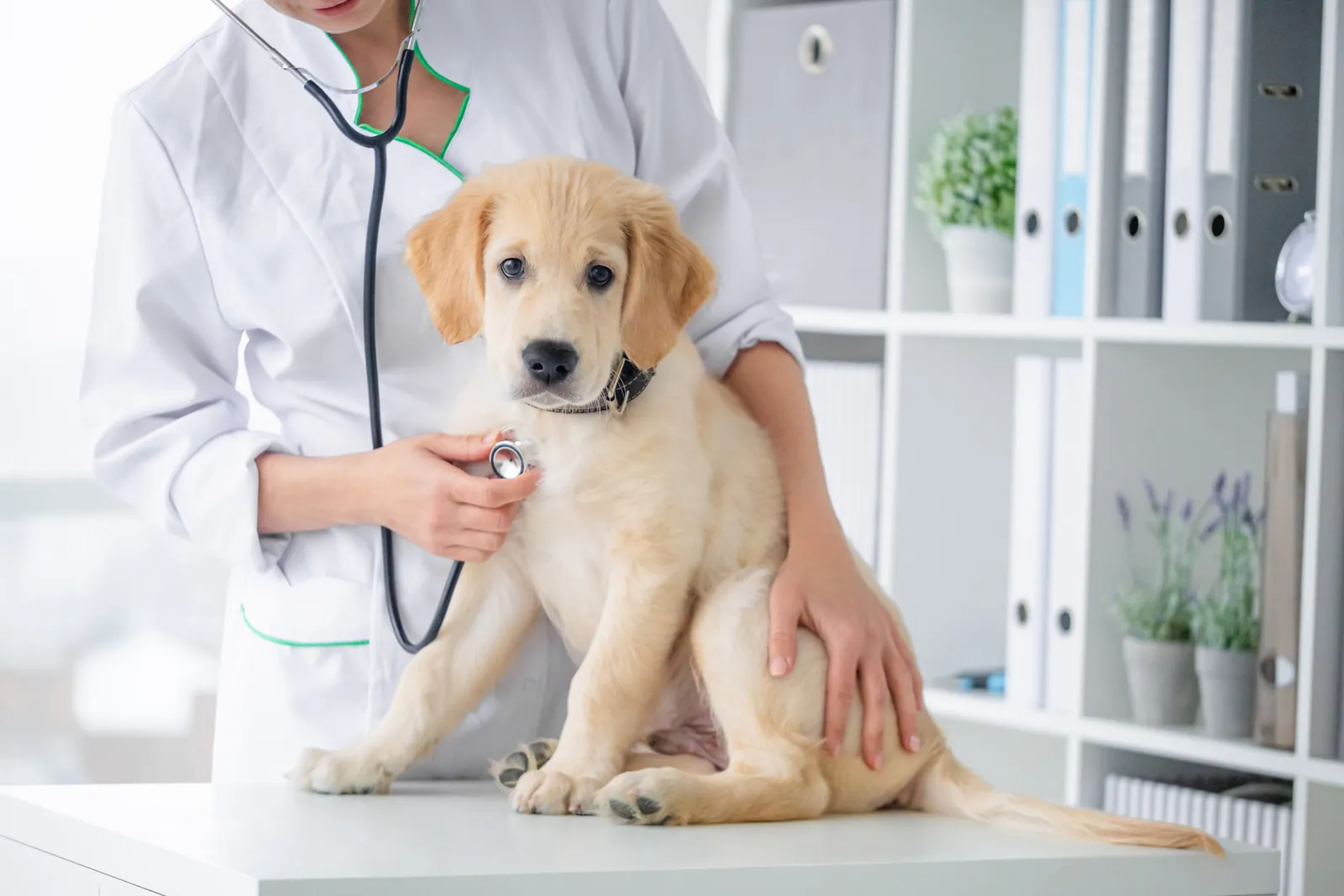
Pet Treatment
Thorough examination, diagnosis and treatment for illness, infection, injury, skin, ear and stomach problems.
Explore pet treatmentSterilisation, spaying, neutering, wound repair and soft-tissue surgery done in our Laxmi Nagar clinic – with preparation, recovery and follow-up explained before the day.
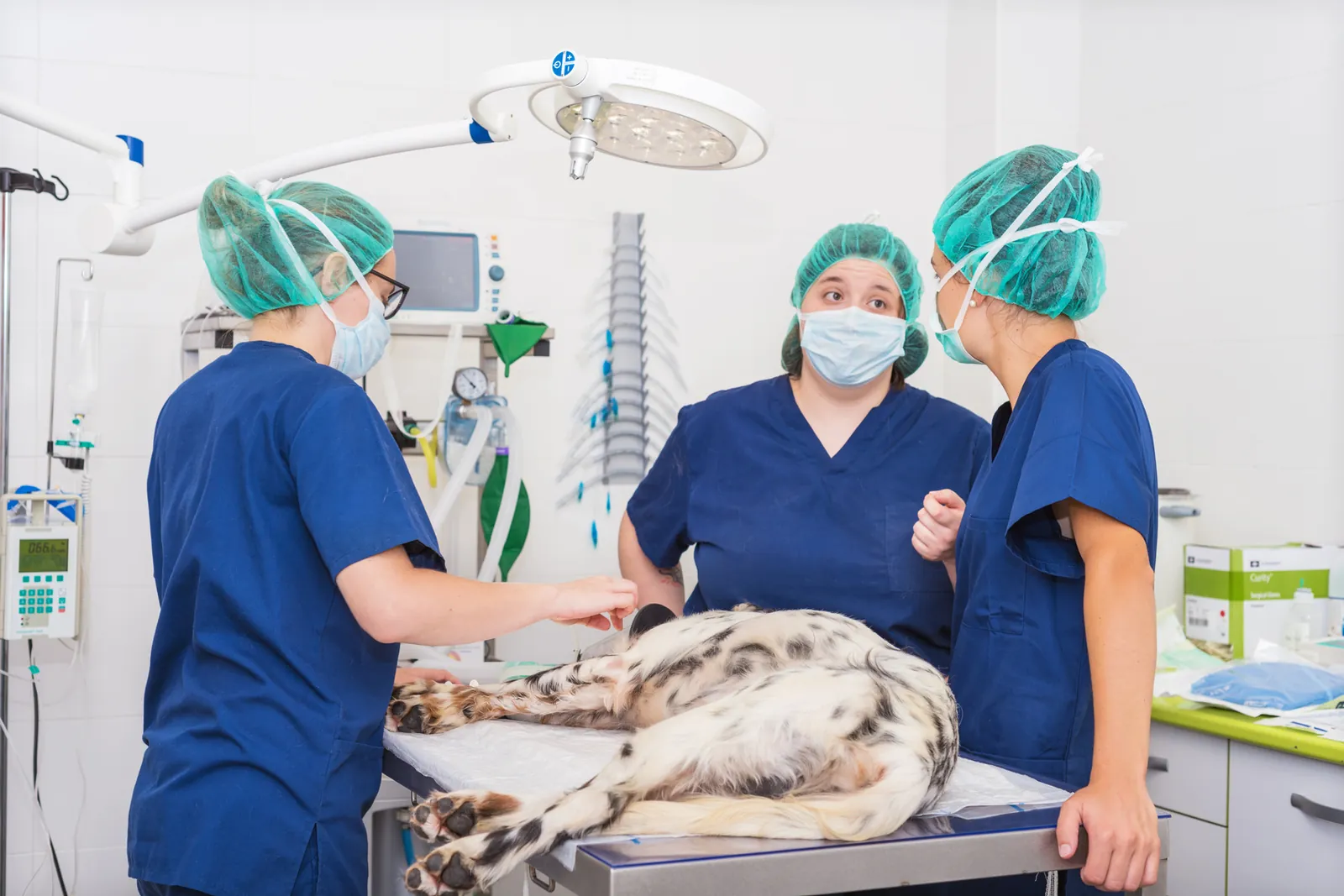
Most pet surgeries are planned, not emergencies – the most common being sterilisation, also called spaying (for females) and neutering or castration (for males). Other procedures include wound repair, stitching after a fight or injury, removing small lumps and abscess drainage.
Every surgery starts with a consultation. The vet examines your pet, checks that it is healthy enough for anaesthesia, and may advise blood tests first – especially for older pets. You get written instructions about fasting, what to bring and when to drop off and collect your pet.
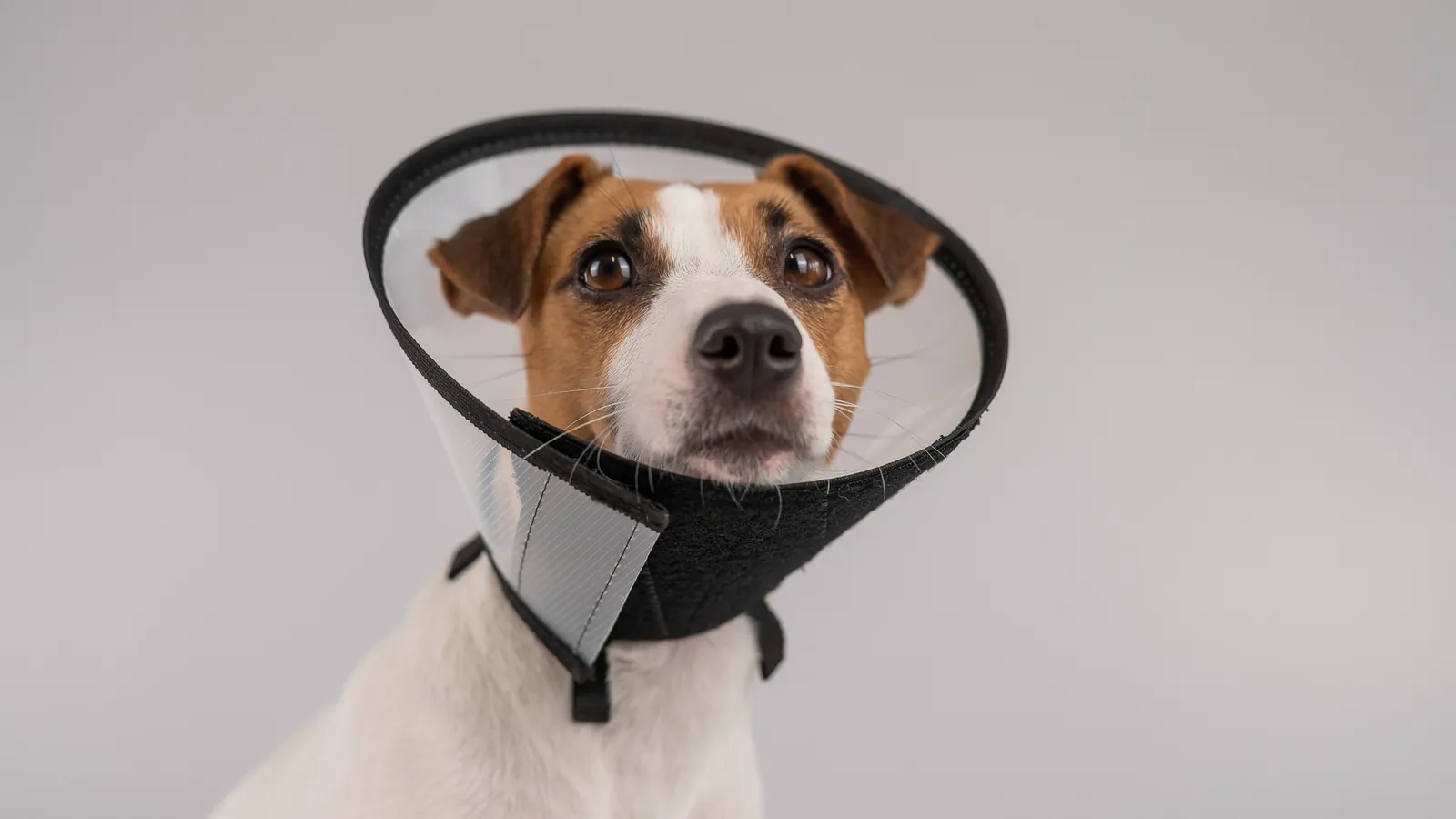
After surgery we explain wound care, medicines, the cone or body suit, activity limits and when to come back for a check and stitch removal. If a procedure needs equipment that is not available at the clinic, we tell you honestly and refer you.
Spaying greatly lowers the risk of uterus infection (pyometra) and mammary tumours in female dogs and cats.
Neutering often reduces roaming, marking, mounting and fighting, especially when done at the right age.
Sterilisation prevents unwanted puppies and kittens – and the stress of heat cycles at home.
Wounds that are cleaned and stitched early heal faster and are far less likely to get infected.
Written instructions for before and after surgery, so you feel confident at home.
Send photos of the wound on WhatsApp during recovery and we will tell you if anything needs a look.
This is a general list. The vet will confirm whether your pet’s procedure can be done at the clinic after an examination.
Removal of the uterus and ovaries. Prevents heat cycles, pregnancy and pyometra. Read about the right age for dog sterilisation.
Castration to prevent breeding and reduce marking, roaming and some prostate problems later in life.
Usually done from around 5–6 months. Reduces spraying, calling, roaming and fights in cats.
Cleaning, closing and dressing cuts, bite wounds and tears under proper pain control.
Draining abscesses and removing small skin lumps, with testing advice when a lump looks suspicious.
Pre-anaesthetic checks, pain relief, cone or body suit guidance, check-ups and stitch removal.
Examination, discussion of the procedure, any tests needed, and the cost.
Fasting instructions and a time to drop off your pet on the day of surgery.
Anaesthesia, the procedure and monitoring while your pet wakes up.
Medicines, wound care at home, a check-up and stitch removal in about 10–14 days.
Sterilisation is advised for most pet dogs and cats that are not meant for responsible breeding. Other procedures depend on what the vet finds. These are the most common reasons pet parents book a surgery consultation with us.
Surgery costs depend on the procedure, your pet’s size and weight, and whether pre-surgery blood tests are needed. Spaying a large female dog costs more than neutering a small male, for example, because it takes longer and needs more anaesthetic.
We give you the complete cost – tests, anaesthesia, surgery, medicines and follow-up – at the consultation, before you decide. Send your pet’s age, weight and the procedure on WhatsApp for an estimate.
Appointment request
Choose a day from tomorrow and a morning or evening slot. Fields marked * are required.
Many vets advise sterilising small and medium dogs from around six months of age, while large and giant breeds may benefit from waiting until they are fully grown. The best timing depends on breed, size and health, so we decide it together at the consultation.
Usually no food for about 8–12 hours before surgery, while water is often allowed until a few hours before. Puppies and some pets need different timings, so always follow the written instructions we give you for your pet.
Most pets are back to normal energy in a few days, but the wound needs about 10–14 days to heal. During that time your pet should wear a cone or body suit, avoid jumping and running, and keep the wound dry.
The surgery is done under general anaesthesia, so your pet feels nothing during it. Afterwards we give pain relief, and most pets are eating and walking comfortably within a day or two.
Neutering does not change your dog’s personality, intelligence or love for the family. It often reduces hormone-driven behaviour such as roaming, marking and mounting. Training and exercise are still important.
A fresh wound or bite should be seen the same day. Call us straight away – it counts as an emergency – and we will guide you and see your pet as soon as possible.
For young, healthy pets they are often optional. For older pets, or pets with any illness, we advise blood tests to check that the liver and kidneys can handle anaesthesia safely.

Thorough examination, diagnosis and treatment for illness, infection, injury, skin, ear and stomach problems.
Explore pet treatment
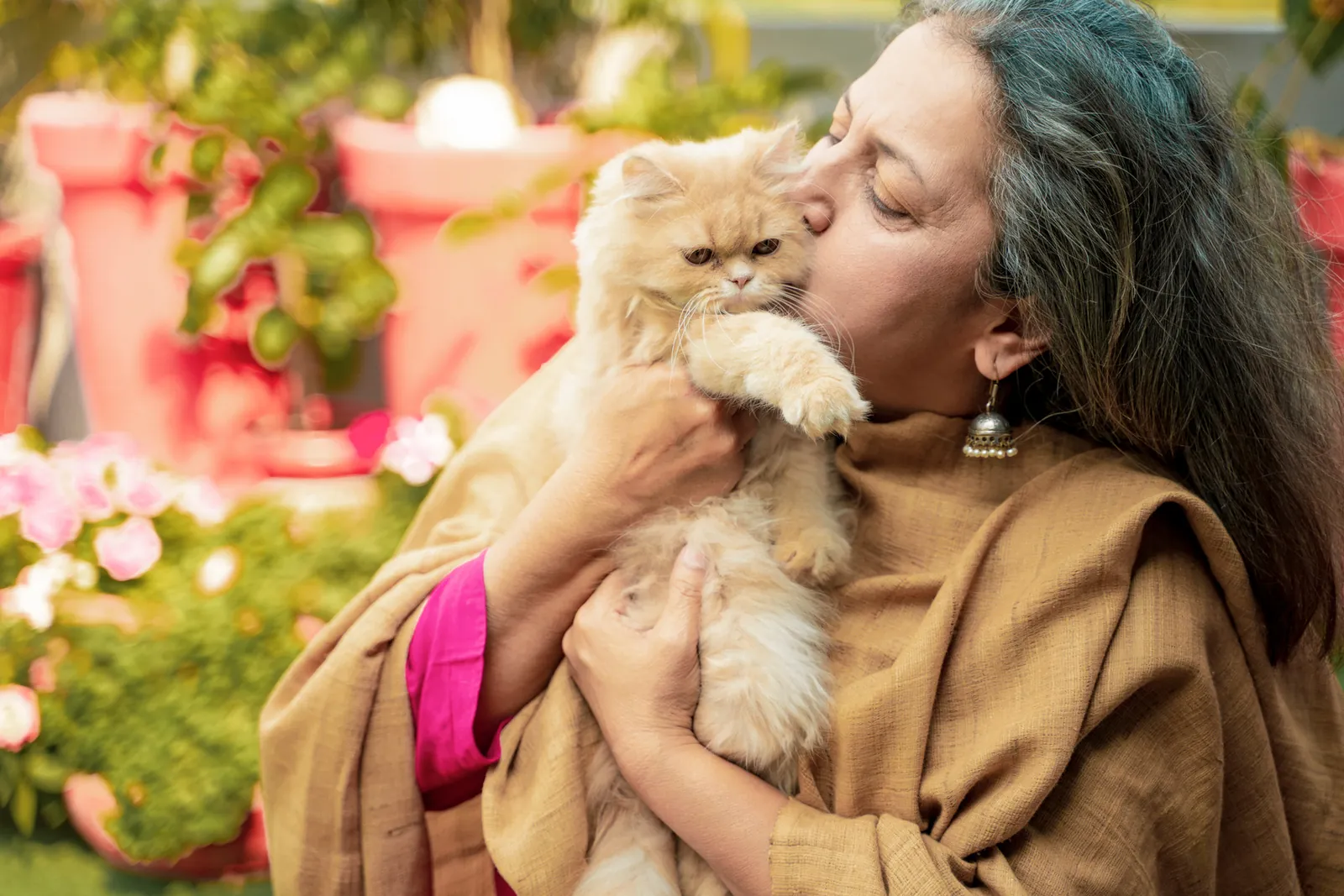
Calm, cat-friendly check-ups, vaccination, deworming, sterilisation and treatment for cats and kittens.
Explore cat care
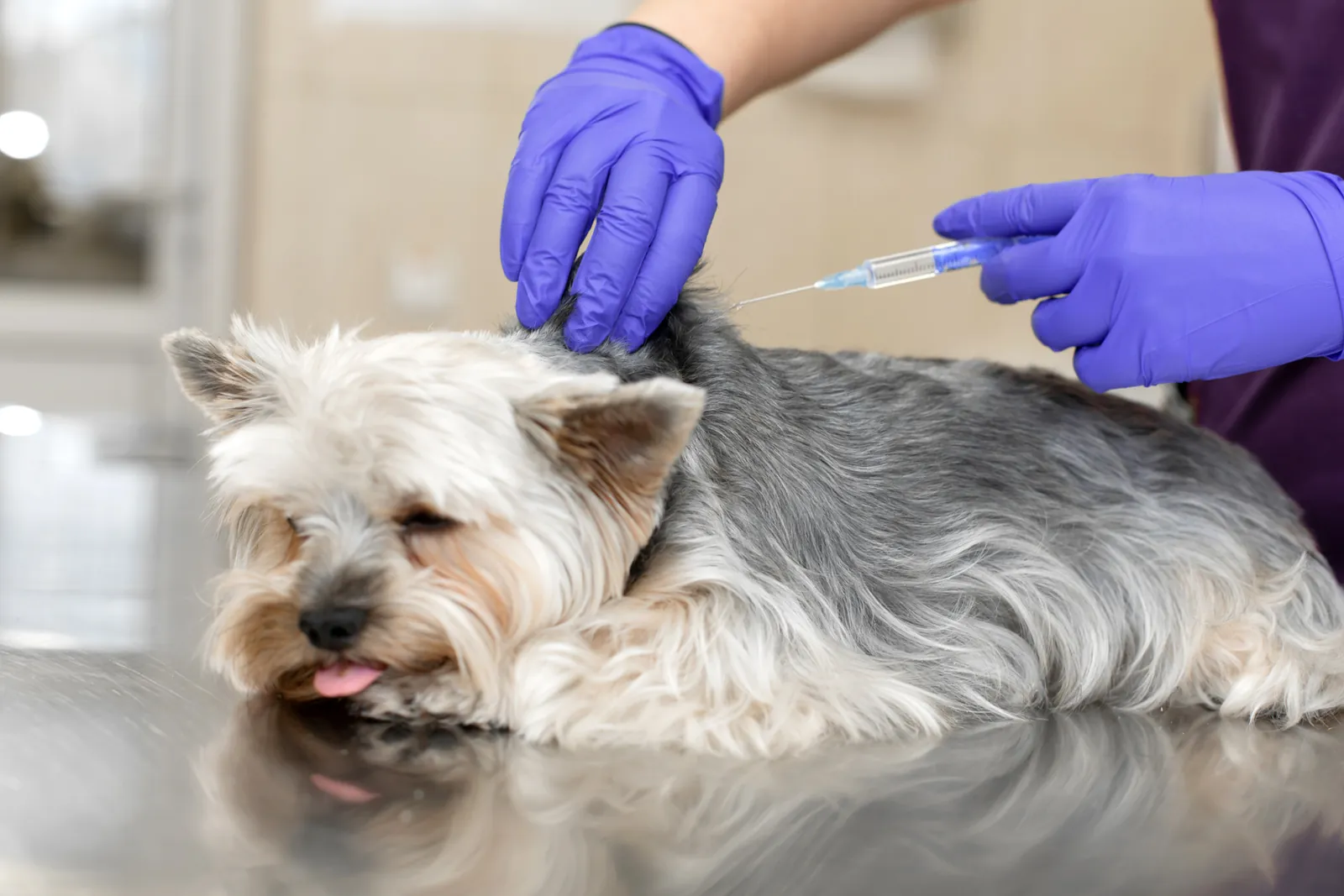
Core and annual vaccines for puppies, kittens and adult pets, with deworming and a maintained vaccination record.
Explore vaccinationStart with a consultation – we will examine your pet, explain the procedure and give you the full cost before any decision.
Book an appointment
Choose a day and slot – our team will call to confirm.
