
Tick Fever in Dogs: Symptoms, Treatment and Prevention
Tick fever is one of the most common serious illnesses in Delhi dogs. Learn the symptoms of tick fever in dogs, how it is diagnosed and treated, and how to prevent it.
By the team at Dog Clinic, Laxmi Nagar
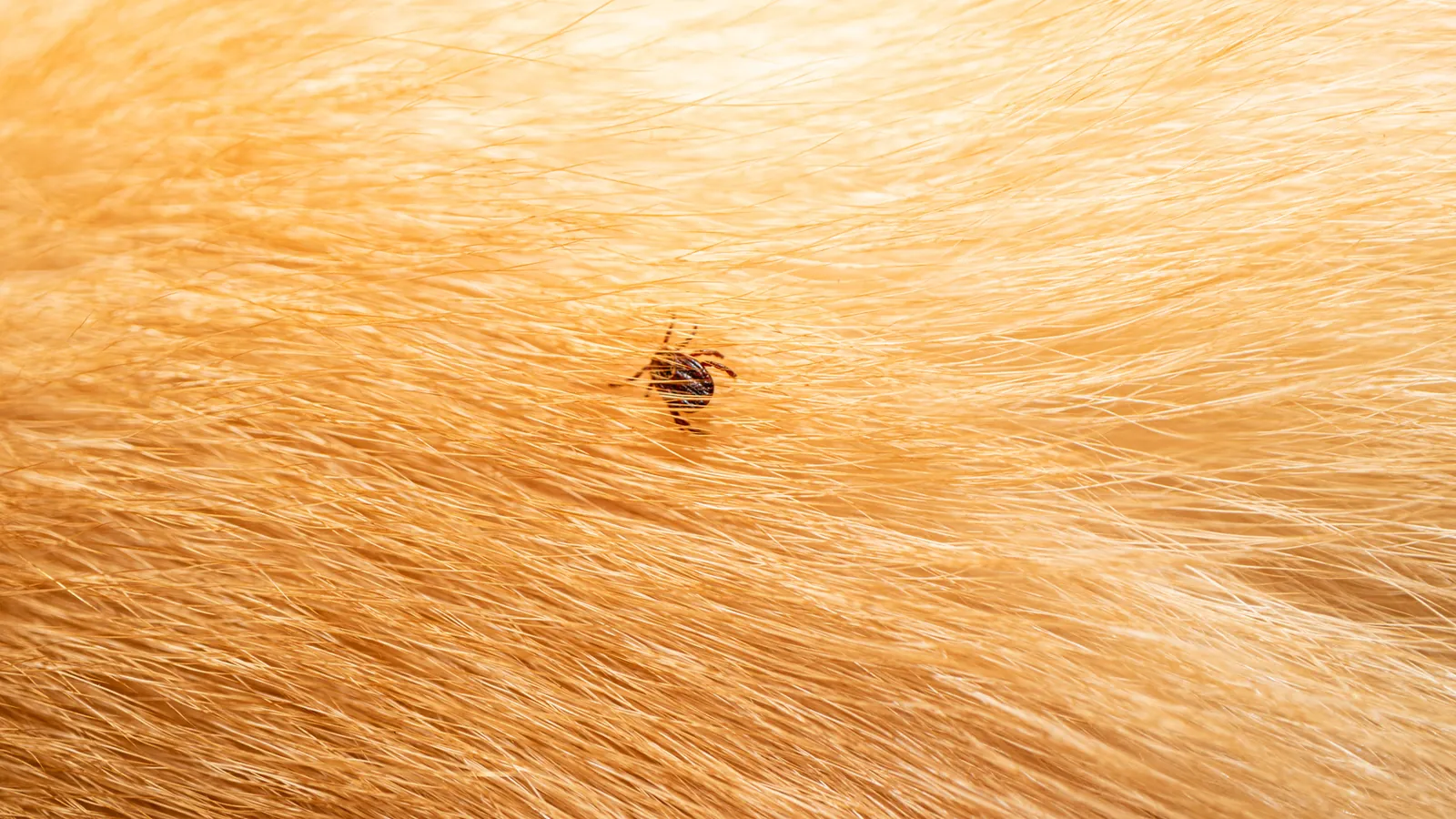
Every monsoon, and often well beyond it, we see dogs come into the clinic tired, feverish and refusing food. Many of them have tick fever. It is one of the most common serious illnesses in dogs in Delhi – and one of the most preventable.
This article explains what tick fever is, the symptoms to watch for, how vets diagnose and treat it, and the simple steps that keep your dog protected all year.
What is tick fever in dogs?
“Tick fever” is a common name for a group of infections passed to dogs through tick bites. The two most common in India are:
- Ehrlichiosis – caused by bacteria that infect white blood cells and can lower the platelet count.
- Babesiosis – caused by a parasite that infects and destroys red blood cells, leading to anaemia.
Both infections are serious, and both are treatable when caught early. Some dogs are infected with more than one organism at the same time. The brown dog tick, which loves warm, humid weather and lives happily inside homes and kennels, is the main carrier in Indian cities.
Symptoms of tick fever in dogs
Symptoms can appear a week or more after a tick bite and range from mild to severe. Watch for:
- Fever and low energy – your dog seems tired and “not himself”
- Loss of appetite or complete refusal of food
- Pale gums, or gums with tiny red spots
- Bleeding from the nose, or blood in urine or stool
- Dark or reddish urine
- Weight loss, swollen lymph nodes or joint pain and limping
- Vomiting or breathing faster than usual in severe cases
How vets diagnose tick fever
Many illnesses cause fever and tiredness, so a vet will not rely on symptoms alone. At a pet treatment visit, diagnosis usually involves:
- A full examination – temperature, gums, lymph nodes, belly and a search for ticks.
- A complete blood count (CBC) – to check platelets, red cells and white cells. A low platelet count is a strong clue.
- Specific tests – such as a blood smear or a rapid kit test for tick-borne infections, and sometimes a PCR test for confirmation.
Because some dogs become very ill quickly, the vet may start treatment while waiting for test results.
How tick fever is treated
Treatment depends on which infection your dog has and how sick it is. In general:
| Part of treatment | What it does |
|---|---|
| Specific medicines | An antibiotic course for ehrlichiosis or an anti-parasite medicine for babesiosis, prescribed by the vet |
| Supportive care | Fluids, medicines for fever and appetite, and nutritional support |
| Monitoring | Repeat blood tests to check that platelets and red cells are recovering |
| Severe cases | Hospital care, and occasionally a blood transfusion at a referral centre |
The most important rule: finish the full course. Antibiotic courses for ehrlichiosis often last several weeks. Stopping early because your dog “looks better” can allow the infection to come back or become long-term.
Never give your dog human painkillers or fever medicines. Some, like paracetamol and ibuprofen, are dangerous for dogs, and others can make bleeding worse.
Which dogs are most at risk?
Any dog that has ticks can get tick fever, but some are at higher risk:
- Dogs without a regular tick preventive, especially in the monsoon and the months after.
- Puppies and senior dogs, whose immune systems are weaker and who can become very ill quickly.
- Dogs that spend time with community dogs or in kennels, parks and boarding facilities.
- Dogs with other illnesses, or those on medicines that affect the immune system.
Long-haired breeds can also hide ticks in their coat, so infestations are easy to miss until they are heavy.
Caring for your dog at home during treatment
Home care makes a real difference to how quickly your dog recovers:
- Give every dose of medicine on time and complete the full course.
- Offer small, tasty, easy-to-digest meals if appetite is poor, and keep fresh water nearby.
- Keep your dog calm and rested – no rough play or long walks while platelets are low, as bumps can cause bruising or bleeding.
- Check the gums and urine colour daily and note any bleeding.
- Keep follow-up appointments for repeat blood tests, even if your dog seems fine.
Can tick fever come back?
Yes. Some dogs carry the infection quietly for months and become ill again later, especially if they are stressed or have another illness. Others get re-infected by new tick bites. Follow-up blood tests and year-round tick control are the best protection.
How to prevent tick fever
There is no widely used vaccine against tick fever in India, so prevention is all about stopping ticks. A good plan includes:
- A regular tick preventive – spot-on, collar or chewable tablet, chosen by your vet according to your dog’s weight and health.
- Daily tick checks after walks – inside the ears, between the toes, under the collar, armpits and around the tail.
- Tick baths during heavy tick seasons – our tick and flea bath removes parasites and lets us spot problems early.
- Treating the home – brown dog ticks hide in cracks, under furniture and in bedding. Wash bedding in hot water and clean corners regularly.
- Treating every pet in the house at the same time.
How to remove a tick safely
If you find a tick, remove it promptly:
- Wear gloves if possible.
- Use fine tweezers or a tick remover to grip the tick as close to the skin as you can.
- Pull straight out with steady pressure – do not twist or squeeze the body.
- Clean the area and wash your hands. Do not crush the tick with your fingers.
Avoid burning ticks or covering them with oil or kerosene – this can make the tick release more infected saliva into your dog.
Frequently asked questions
Can humans get tick fever from dogs?
The tick fever organisms that commonly affect dogs in India are not usually passed directly from dogs to people. However, ticks can bite people too, so it is sensible to control ticks in the home and wash hands after removing them.
Can my dog get tick fever more than once?
Yes. Recovering from tick fever does not give lasting protection, so a dog can be infected again by new tick bites. This is why tick prevention must continue after treatment ends.
How long does recovery take?
Many dogs feel better within a few days of starting treatment, but the full course and recovery of blood counts can take several weeks. Follow-up tests show when your dog is truly better.
Should I shave my dog to stop ticks?
Shaving is not necessary and can expose the skin to sunburn. A regular preventive, daily checks and a good brush-out work far better than a very short coat.
Is tick fever only a monsoon problem?
Ticks are worst in warm, humid months, but in Delhi homes they survive all year. Prevention should be year-round, not just in the rains.
Worried about tick fever? Get your dog checked in Laxmi Nagar
If your dog has a fever, is off food or has had ticks recently, do not wait. Book a check-up at Dog Clinic in Laxmi Nagar, near Metro Pillar No. 34, or call us straight away if your dog is weak, bleeding or has very pale gums. We also stock vet-recommended tick preventives at our pet shop.
More pet care articles
 Dog Sterilisation: The Right Age, Benefits and Recovery ExplainedWhen should you sterilise your dog? Our Laxmi Nagar vets explain the right age for dog sterilisation, the benefits of spaying and neutering, and…Read article →
 Puppy Vaccination Schedule in India: A Complete Guide for New Pet ParentsWhich vaccines your puppy needs, at what age, and why finishing the full course matters – a clear puppy vaccination schedule for India from…Read article →
Need a vet in Laxmi Nagar?
Book a morning or evening appointment at Dog Clinic, near Metro Pillar No. 34. Emergencies are seen the same day – just call.