

Pet Treatment
Thorough examination, diagnosis and treatment for illness, infection, injury, skin, ear and stomach problems.
Explore pet treatmentPuppy and kitten courses, anti-rabies and yearly boosters at our Laxmi Nagar clinic – with deworming planned alongside and a written vaccination card for every pet.
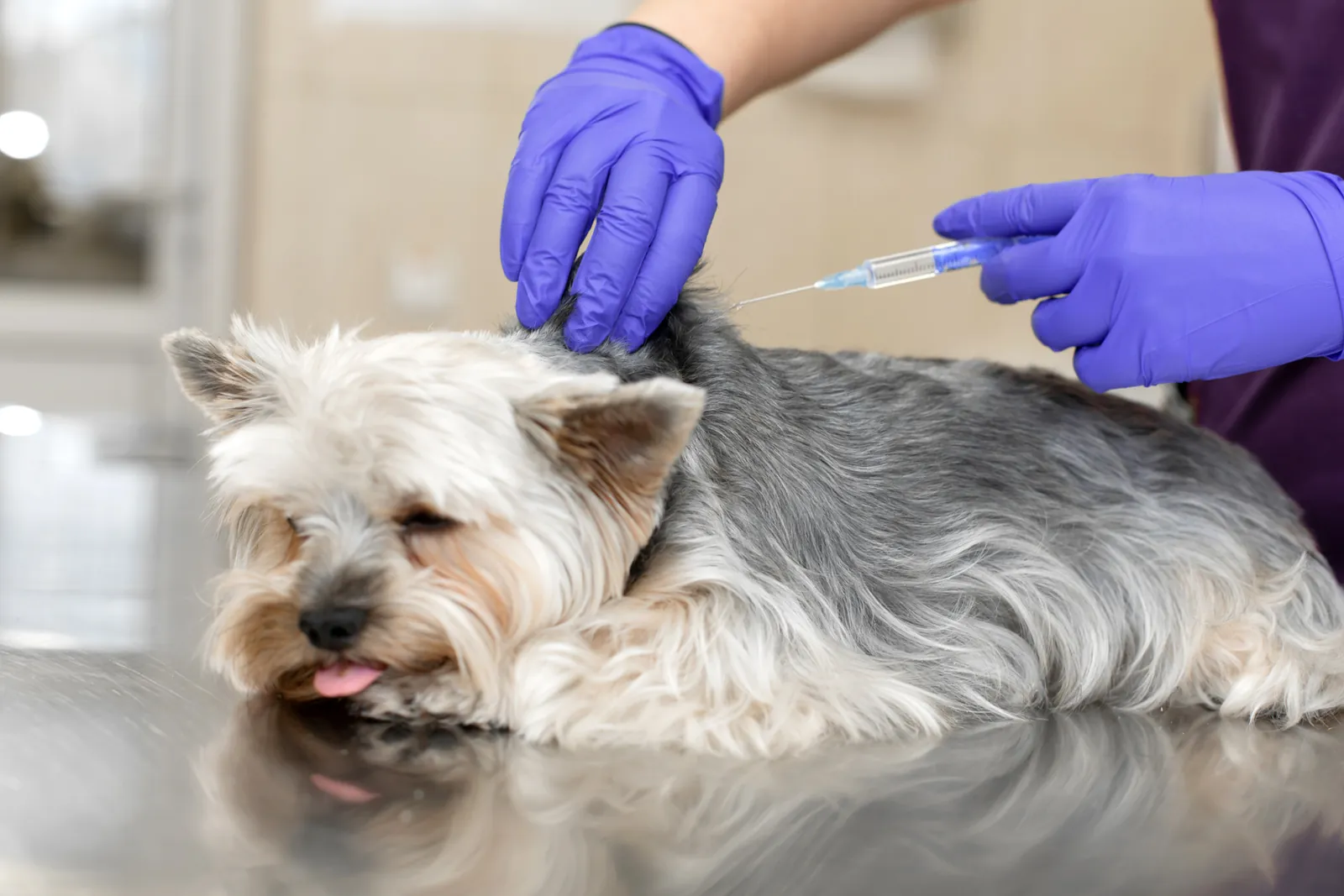
Vaccines train your pet’s body to fight diseases before they strike. In Delhi, the most important ones for dogs protect against parvovirus, distemper, hepatitis, parainfluenza, leptospirosis and rabies. Cats need protection against panleukopenia, calicivirus, rhinotracheitis and rabies.
Puppy vaccination is given as a course of doses a few weeks apart, because the protection a puppy gets from its mother fades gradually. After the course, a yearly booster keeps the immunity strong. Many of these vaccines come combined in one injection, which is why you will hear names like “7 in 1” or “9 in 1”.
Before each vaccine, the vet checks that your pet is healthy enough to be vaccinated. We also plan deworming alongside, because worms can weaken the response to a vaccine.

Parvovirus and distemper are common in Delhi and often fatal in unvaccinated puppies. Vaccines prevent most cases.
Rabies is fatal to people too. Keeping your pet’s anti-rabies vaccine up to date protects everyone at home.
Kennels, groomers, housing societies and travel all ask for a vaccination record. Ours is clear and dated.
We note the next due date and remind you, so boosters do not slip by during a busy year.
Each vaccine visit includes a quick check-up – a good chance to catch small problems early.
A vaccine costs a small part of what treating parvovirus or distemper costs – and saves your pet a lot of suffering.
The exact vaccines and timing depend on your pet’s age, health and history. This is what a typical plan includes – our vet confirms it at the first visit.
First core vaccine at 6–8 weeks, boosters every 3–4 weeks until about 16 weeks, then a yearly booster. Read the full puppy vaccination schedule.
Usually given at 12–14 weeks, then repeated as advised and every year. Compulsory for every pet dog and cat.
FVRCP from 8–9 weeks with a second dose about a month later, plus anti-rabies and yearly boosters.
Multi-disease vaccines cover distemper, hepatitis, parvovirus, parainfluenza and leptospirosis in one injection.
Frequent deworming for puppies and kittens, then about every three months for adults, planned with the vaccines.
Adopted or unvaccinated adult? We start a two-dose course and then move to yearly boosters.
Choose tomorrow or a later date, morning or evening. Bring any old vaccination record.
Temperature, weight and a general check to make sure your pet is fit for the vaccine.
The vaccine is given gently, and deworming is planned or given at the same visit.
We write the dose on the vaccination card with the next due date and set a reminder.
Every dog and cat needs vaccines – including pets that stay indoors, because viruses come in on shoes, clothes and other animals. Book a vaccination visit if any of these apply to your pet.
Vaccine charges depend on which vaccines your pet needs and the brand used. A puppy course has several visits, while an adult usually needs one booster visit a year. We tell you the full plan and the cost of each visit at the start, so there are no surprises.
Send us your pet’s age and old vaccination record on WhatsApp and we will tell you exactly which vaccines are due and what they will cost.
Appointment request
Choose a day from tomorrow and a morning or evening slot. Fields marked * are required.
Most puppies get their first core vaccine at 6–8 weeks, followed by boosters every 3–4 weeks until around 16 weeks. The anti-rabies vaccine is usually given at about 12–14 weeks. Our vet confirms the exact plan after checking your puppy.
It is a combination vaccine that protects against several diseases in one injection, usually distemper, hepatitis, parvovirus, parainfluenza and different strains of leptospirosis. Names like “7 in 1” and “9 in 1” differ by brand. We explain exactly what your pet is getting.
After the first dose in puppyhood and any booster the vet advises, dogs need an anti-rabies vaccine every year. Keeping it up to date protects your pet and your family, and is often needed by housing societies and for travel.
It is safest to keep your puppy away from roads, parks and unknown dogs until about a week after the final puppy dose. You can carry your puppy outside for short trips and let it meet healthy, vaccinated dogs at home.
Yes. Viruses like panleukopenia can come in on shoes and clothes, and rabies is a risk if a cat ever slips outside. Indoor cats need the core vaccine and anti-rabies, with yearly boosters.
No. Bring your dog in and we will check the record. Depending on how long it has been, we either give the booster straight away or restart a short course. The sooner you come, the simpler it is.
Mild tiredness, a little soreness at the injection site or a slight fever for a day can be normal. Facial swelling, repeated vomiting or breathing difficulty are rare, but need urgent care – call us straight away if you see them.

Thorough examination, diagnosis and treatment for illness, infection, injury, skin, ear and stomach problems.
Explore pet treatment

Calm, cat-friendly check-ups, vaccination, deworming, sterilisation and treatment for cats and kittens.
Explore cat care

Healthy, vet-checked pets for responsible homes – with first vaccinations and guidance for new pet parents.
Explore sale of petsBring your puppy, kitten or adult pet for vaccines in a morning or evening slot – we keep the record and remind you of the next dose.
Book an appointment
Choose a day and slot – our team will call to confirm.
